

3-minute read · Maria Balogh
If you asked most people, they'd answer confidently:
"I pay attention to what I eat."
"I eat vegetables and fruit."
"I think my fiber intake is fine."
And yet: both research and real-world experience tell a different story.
How much fiber should we be eating, and how much are we actually eating?
The widely accepted recommendation is that adults should consume a minimum of 25 grams of dietary fiber per day, with 30 grams being the ideal.
In reality, data and domestic experience suggest that average intake sits closer to 15–20 grams per day.
This isn't a dramatic shortfall that appears overnight. It's a slow, barely noticeable gap that builds up over years and makes its effects felt gradually.

So why do we think our fiber intake is fine?
1. Because we associate fiber with too narrow a range of foods
Most people automatically link fiber with:
- Vegetables
- Fruit
- Wholegrain bread
These are indeed important sources of fiber. The problem is that fiber isn't limited to these foods alone.
Research shows that:
- the vast majority of consumers recognize vegetables and fruit as fiber sources,
- there is far more uncertainty when it comes to wholegrain cereals,
- knowledge gaps are significant for legumes and seeds,
- and most people have never even heard of functional fibers such as inulin, psyllium, or resistant starch.
In other words, our diets are often built on a narrower variety of fiber sources than we might think.
2. Because we only associate fiber with digestion
For many people, the word "fiber" brings just one thing to mind: digestion.
But the role of dietary fiber is far more complex than that.
Adequate fiber intake:
- supports the balance of the gut microbiome,
- contributes to the feeling of fullness,
- can help with weight management,
- has a beneficial effect on blood sugar levels,
- plays a long-term role in cardiovascular health,
- and is linked to overall metabolic health.
Different types of fiber contribute to different health benefits. This is why it matters not only how much fiber we eat, but also what types we consume and how varied our sources are.
In short: it's worth broadening the range of foods from which we get our dietary fiber.

Why does varied fiber consumption matter?
Not all fiber is the same. Different plant sources nourish the gut in different ways:
- vegetables and fruit provide different types of fiber,
- wholegrains offer a different structure again,
- legumes and seeds are particularly valuable sources,
- and functional fibers can complement the diet in a targeted way.
The more varied our fiber sources, the more balanced the overall effect is likely to be.

How can you find out where you stand?
Most people don't consume too little fiber because they don't care about their health. They simply don't have a full picture of the situation.
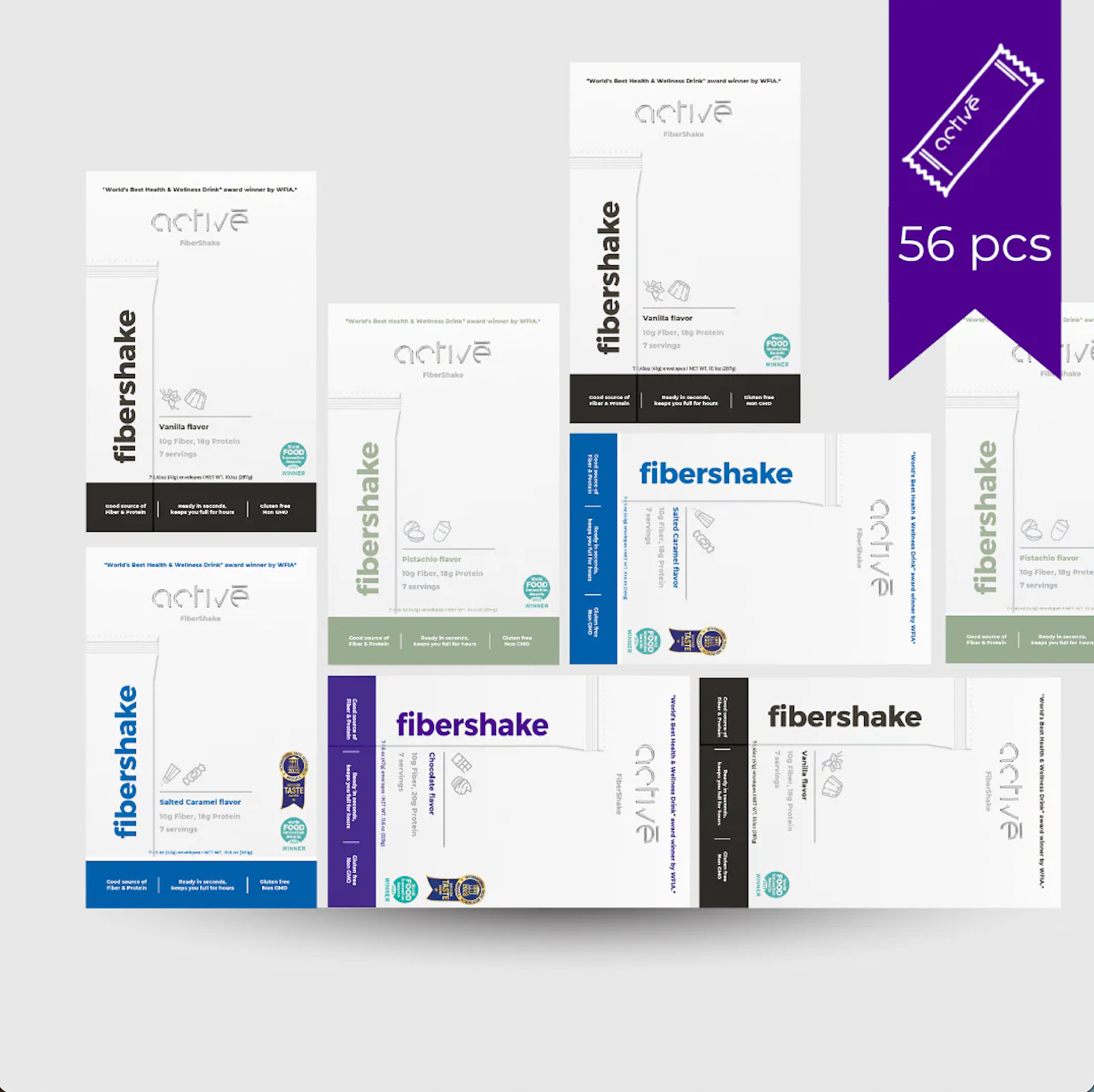
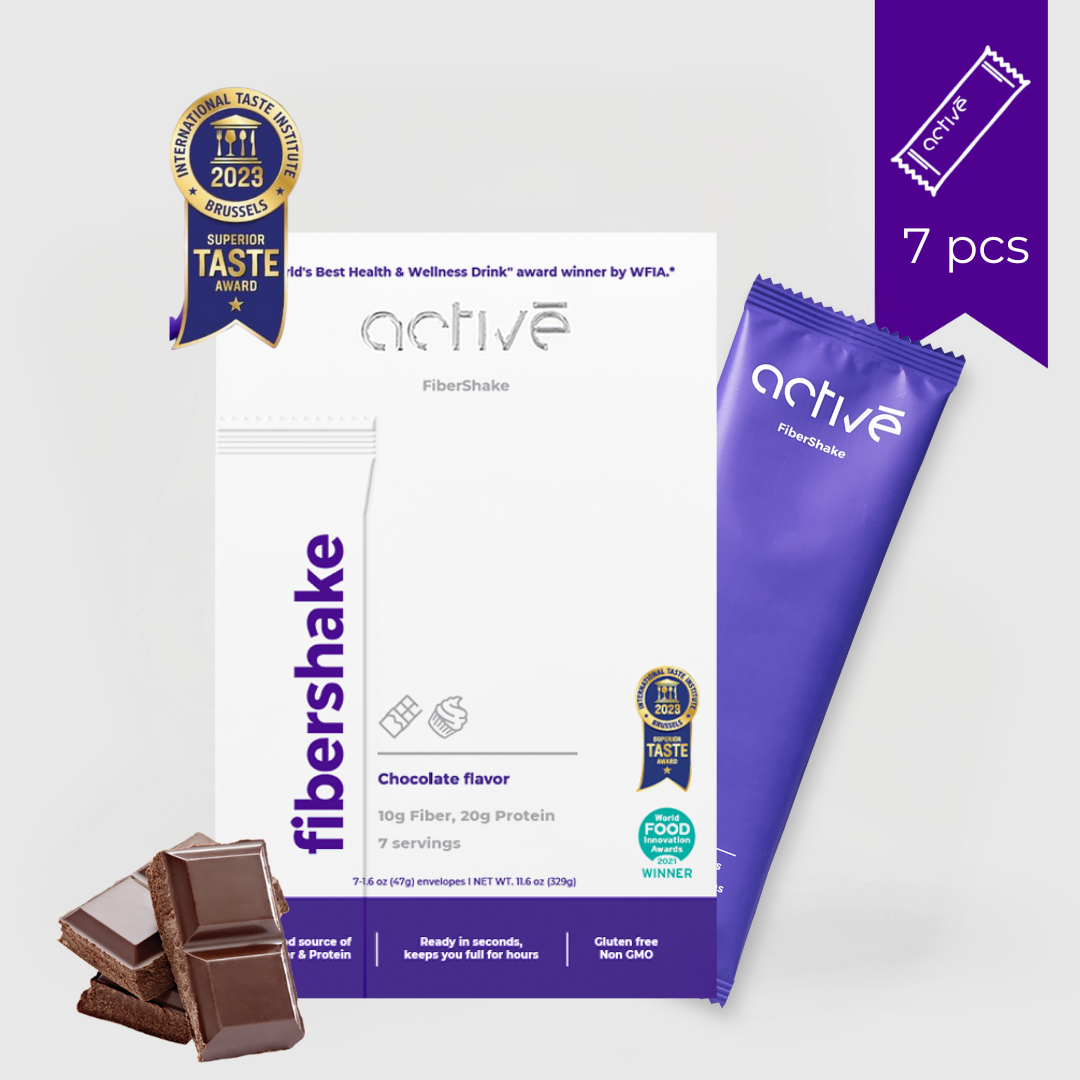
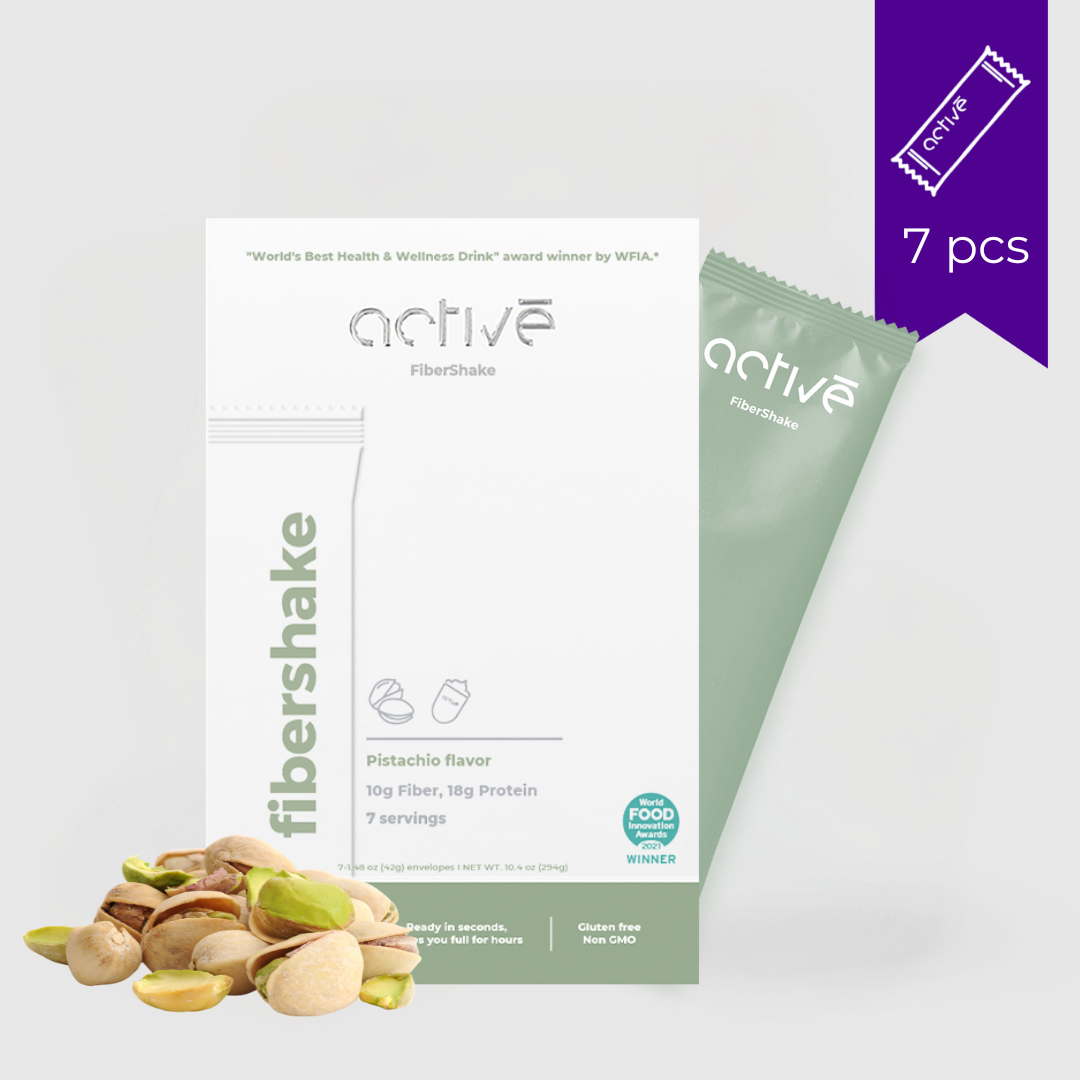
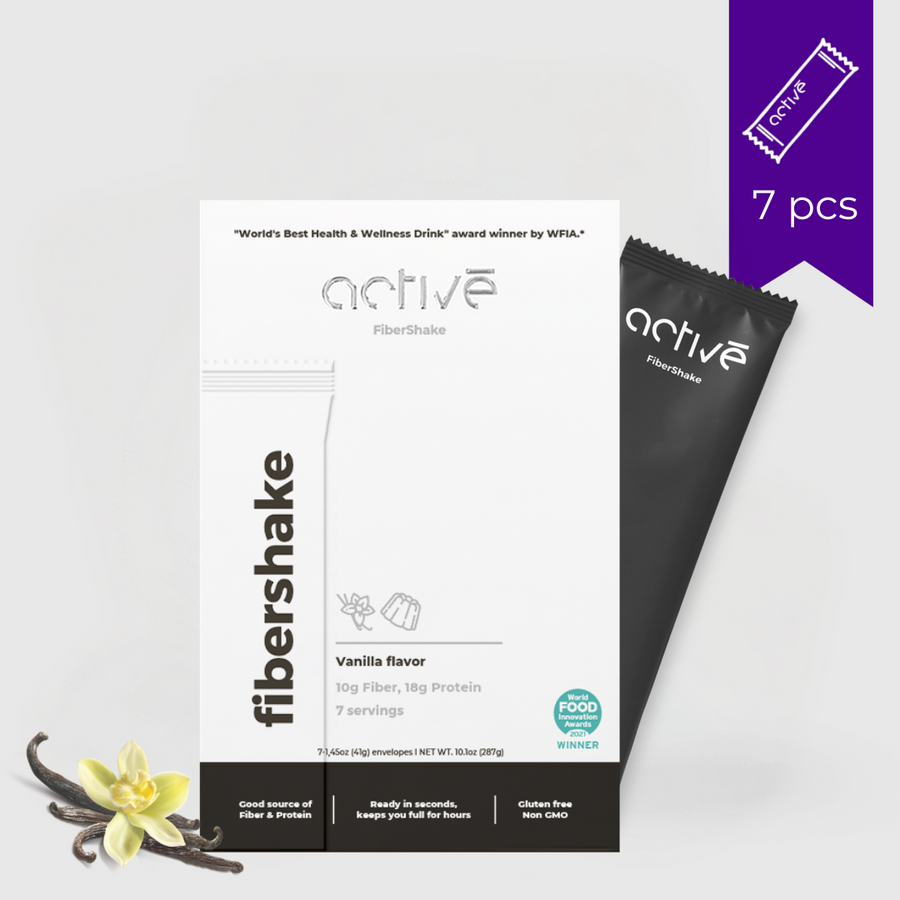
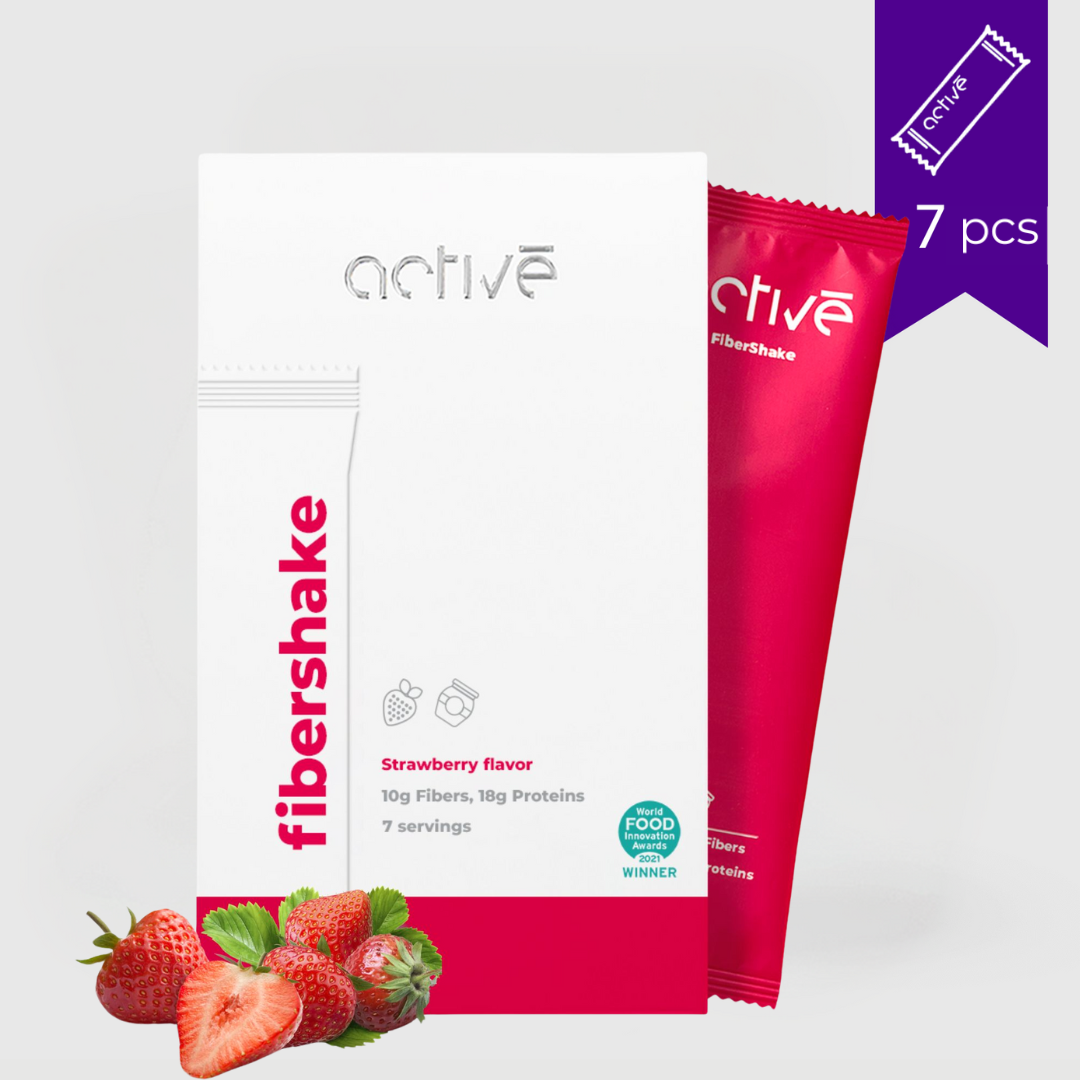
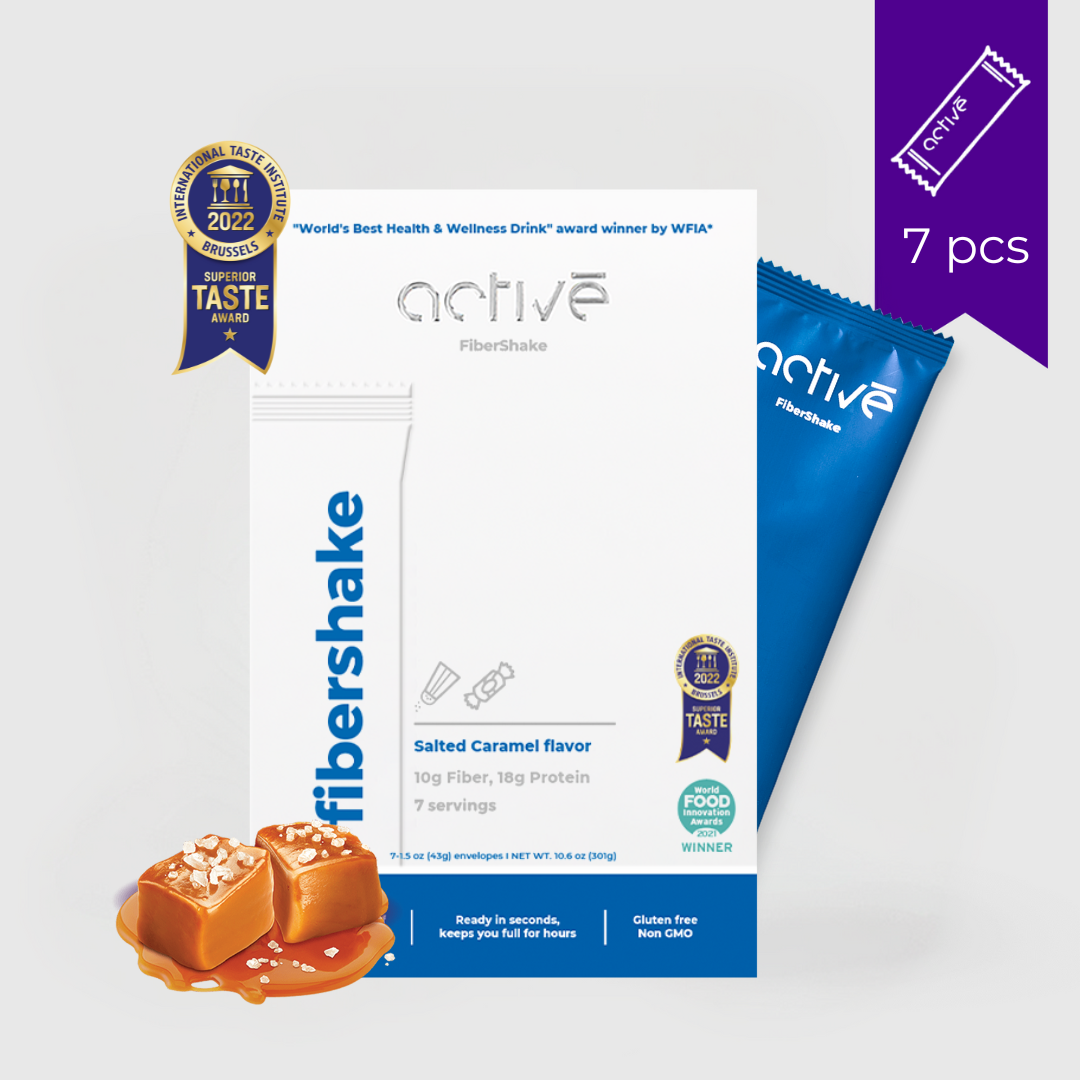
The activé FiberShake Fiber Calculator can help with that.>> Click here
After completing the calculator, you'll get a clearer sense of which fiber sources dominate your diet and which types you might benefit from eating more of. Your responses also contribute to building a broader picture of which fiber sources are well known in Hungary and which ones are rarely used in everyday eating.

A small step toward more mindful fiber consumption
Fiber is not a trend, not a quick fix, and not just a "digestive issue." Fiber is a fundamental part of a healthy diet.
You don't need to change everything overnight. The first step is simply knowing where you stand right now. After that, the choice is yours.
References:
Consumers' knowledge about dietary fiber – full PDF (Szűcs V., 2016)
Awareness and Knowledge Regarding the Consumption of Dietary Fiber (MDPI, 2020)
Perception of dietary fiber and consumption behaviors
Knowledge and attitudes regarding dietary fibers