



World Food Innovation Award
activé FiberShakes were crowned the world's best healthy drink by the prestigious jury in London -2021.

Superior Taste Award (2023, 2025)
Chocolate and Peanut Butter flavors, awarded by Michelin-starred chefs in Brussels.

Red Dot Design Award (2019)
Recognized for outstanding product design and innovation in Berlin.

Find us on MSC Cruises
Proudly served aboard MSC World America — cruising the U.S. market.
How do we make FiberShake?
We thoughtfully blend high-quality, European Union (EU) food standard, carefully selected ingredients to ensure every serving is just right.
Each portion is perfectly measured and conveniently packed, so you can enjoy activé FiberShake wherever life takes you.
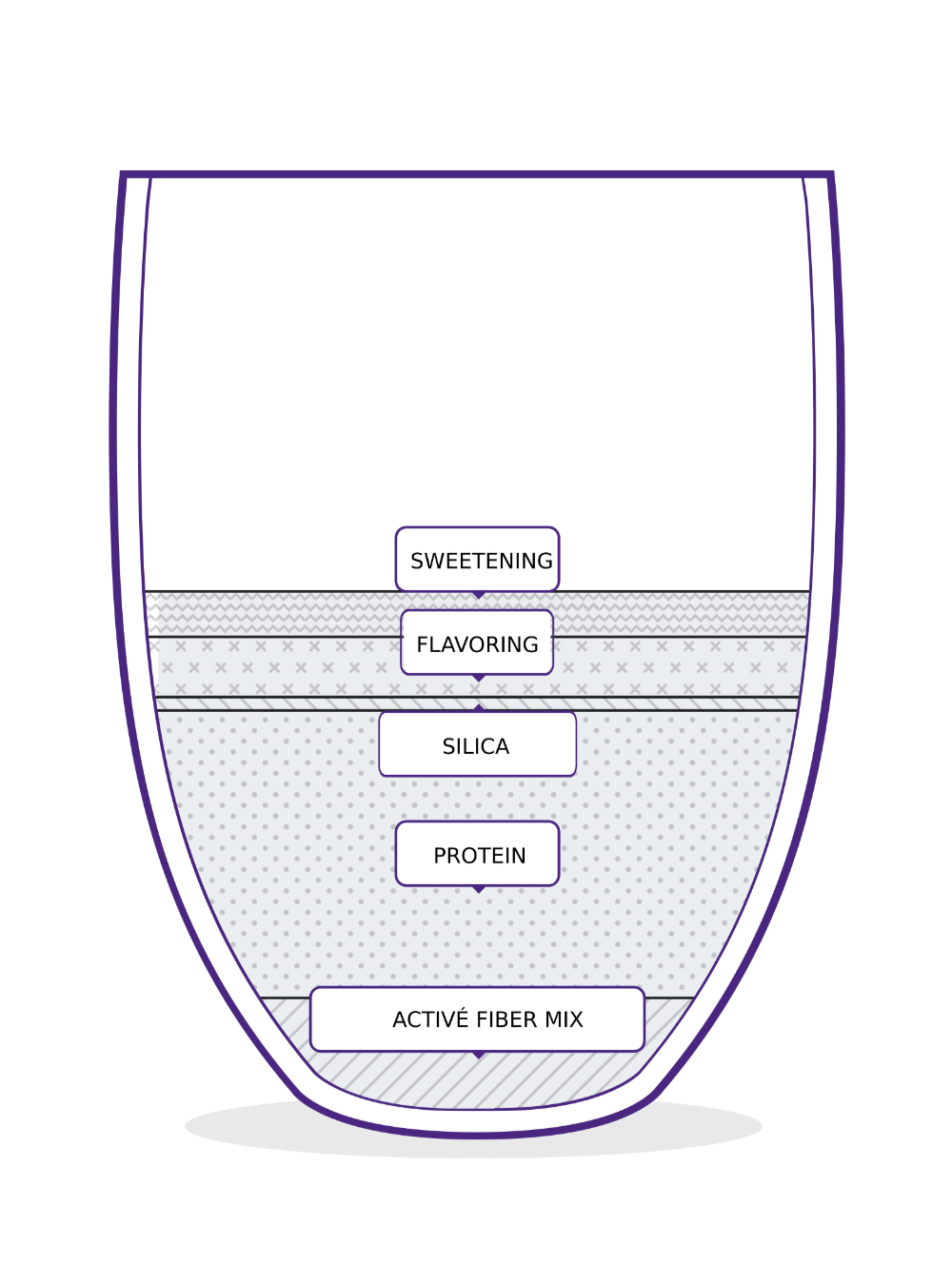
Natural Sweetening
Natural Sweetening
Naturally sweet and delicious. If you want to avoid artificial sweeteners like sucralose or aspartame but still crave something truly satisfying, FiberShake is designed with you in mind.
We use erythritol, stevia, and only 1 gram of added sugar for a perfectly balanced flavor. This single gram of sugar contributes just 4 calories but makes a significant difference in taste.
Thanks to the 10 grams of fiber in every serving, this small amount of sugar is no concern, as the fiber helps stabilize blood sugar levels.
Flavoring
Flavoring
At activé FiberShake, we set out to create flavors that we’d enjoy every day – flavors that feel indulgent yet support your health goals. That’s why our ingredients and flavorings meet the highest European Union standards, ensuring a clean, natural, and authentic experience in every sip.
What makes EU flavors so special?
Unlike the broad and often industrialized definition of “natural flavors” in the US, the EU takes a stricter approach. In the EU, flavoring must come directly from nature, using traditional food preparation methods like heating or pressing, without chemical catalysts or synthetic processing. This means every flavor in activé FiberShake stays true to its roots, offering you a cleaner and more authentic taste.
Here are just a few ways we bring these incredible flavors to life:
🍫 Chocolate: We use premium, bakery-grade cocoa imported from Belgium and enhance its rich, bold flavor with a pinch of sea salt. This balance brings out the cocoa’s natural depth and makes every sip feel like a treat.
🍨 Salted Caramel: A velvety caramel flavor with just the right touch of salt to create that irresistible sweet-and-savory balance. Perfectly crafted to be smooth and satisfying.
🥜 Pistachio: Made with real pistachio notes, this flavor brings an earthy nuttiness that feels luxurious yet light.
🌿 Vanilla: Crafted from natural vanilla, its creamy and smooth taste transforms every shake into a delicious dessert-like experience.
Two of our favorite activé FiberShake flavors has been awarded the Superior Taste Award, judged by Michelin-starred chefs from around the world. It’s not just about what’s inside; it’s about the care and craftsmanship that go into every packet.
Your taste buds deserve the best, and with activé FiberShake, you can savor indulgence without compromise. 🌱
Citric Acid
Citric Acid
Citric acid, sometimes confused with silicon dioxide, plays an essential role in ensuring your FiberShake blends smoothly every time, without any lumps.
Protein
Protein
FiberShake delivers an incredibly creamy source of high-quality protein. With 18 to 20 grams of whey protein per serving, it ensures your body gets the essential protein it needs.
Made with lactose-free, fresh milk powder, activénFiberShake offers a silky-smooth texture in every sip for a truly satisfying experience.
Double Fiber
Double Fiber
This unique blend of psyllium husk, guar gum, and inulin delivers 10 grams of fiber per serving, supporting your gut flora and helping you feel satisfied for longer.
These fibers expand when mixed with liquid, providing lasting fullness while promoting a healthy digestive system.
High Fiber, High Protein, Delicious!
Simply mix activé FiberShake with cold water, milk, or your favorite milk alternative, and watch it transform into a rich, creamy, and satisfying drink.
Keeps You Full
Prebiotic fibers expand to keep you feeling satisfied for hours, curbing hunger effectively.

Nourishes Your Gut
Packed with prebiotic fibers for gut health and protein to deliver essential nutrients your body needs.

Fast & Easy
Ready in seconds—just one minute transforms it into a thick, delicious drink.

Premium Ingredients
Made with only high-quality, European Union (EU) food standard, gut-friendly ingredients to support your health and wellness.
Delicious, healthy, and truly filling!
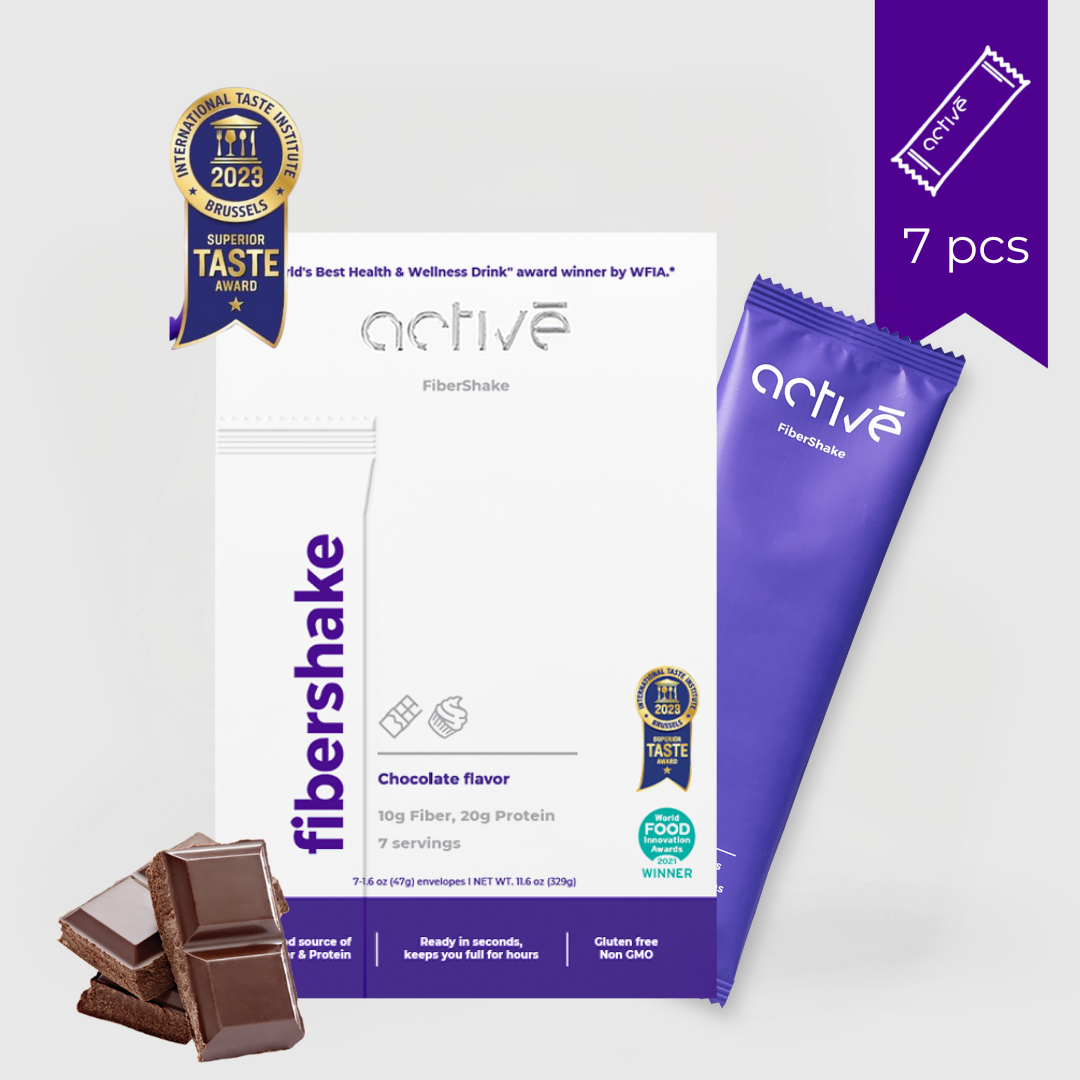

activé FiberShake – Chocolate Flavor (7 Servings) I Halloween Sale: Up to 30% Off!
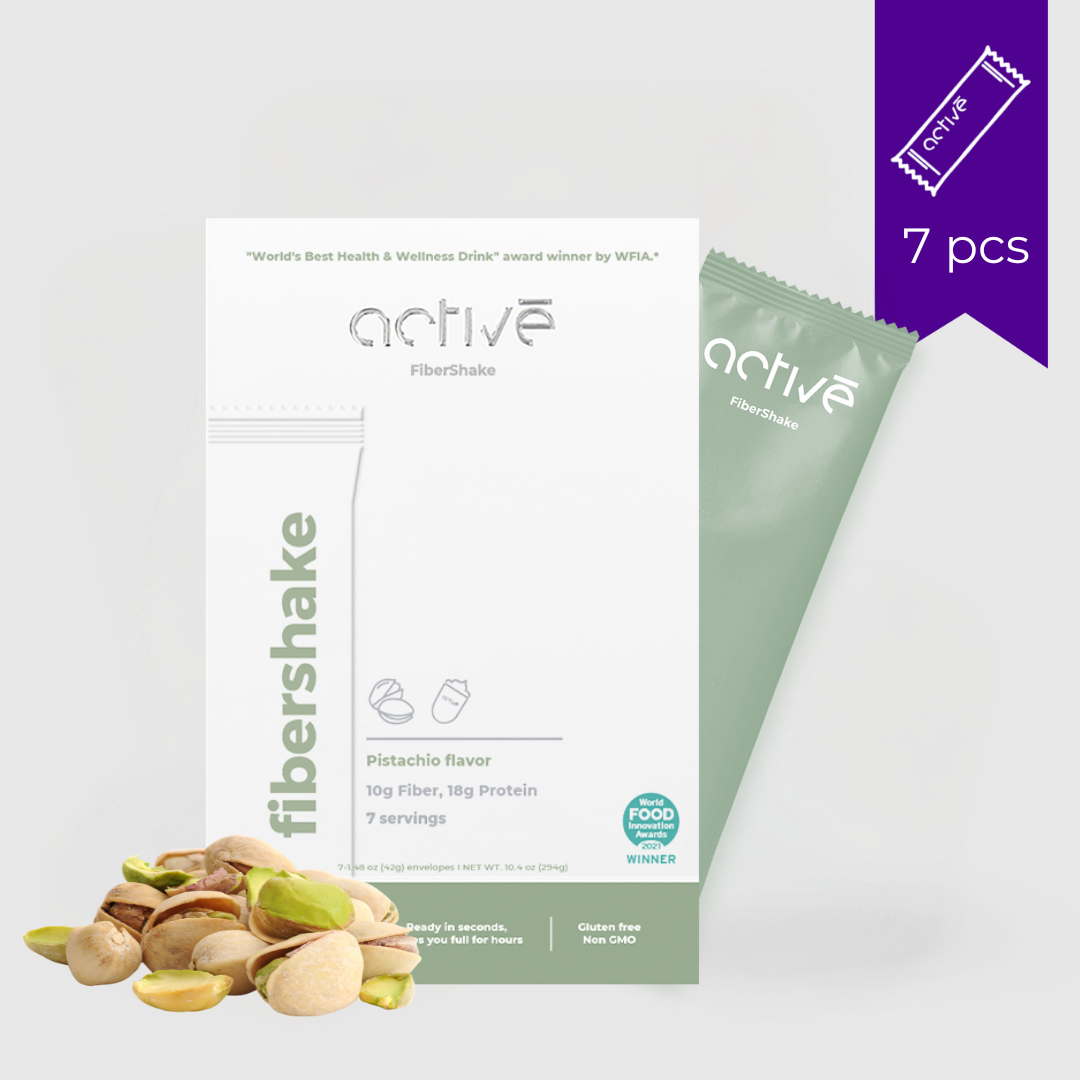
activé FiberShake – Pistachio Flavor (7 Servings) I Halloween Sale: Up to 30% Off!

activé FiberShake – Strawberry Flavor (7 Servings) I Halloween Sale: Up to 30% Off!
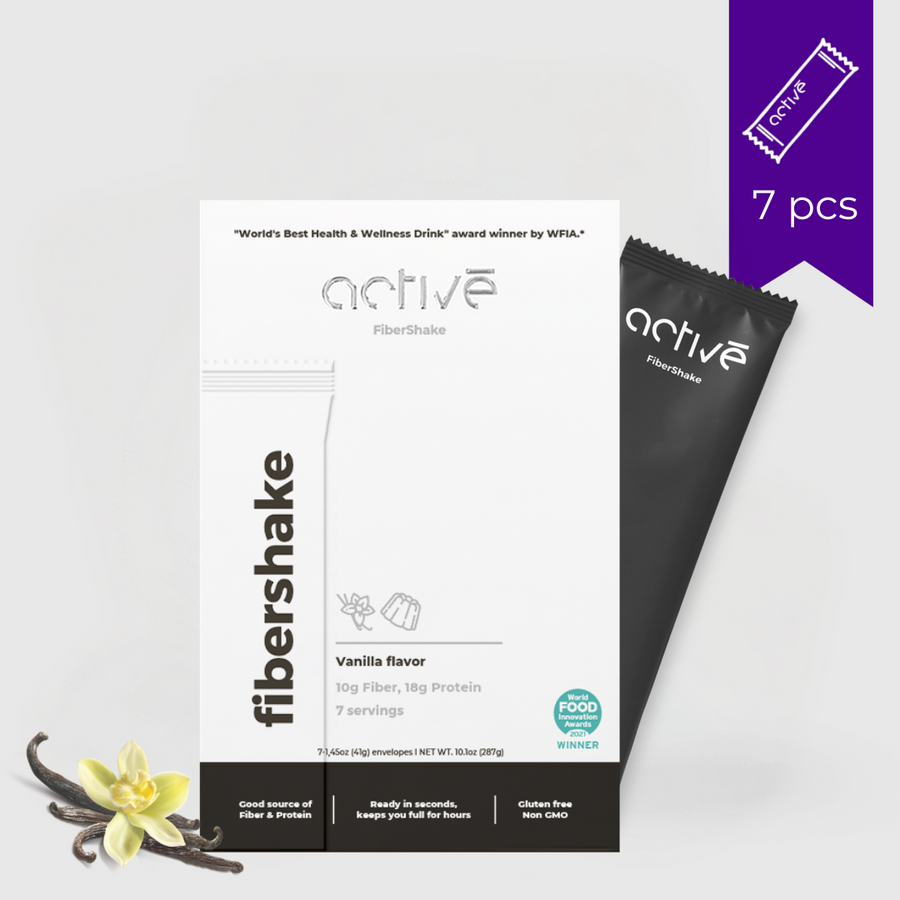
activé FiberShake – Vanilla Flavor (7 Servings) I Halloween Sale: Up to 30% Off!
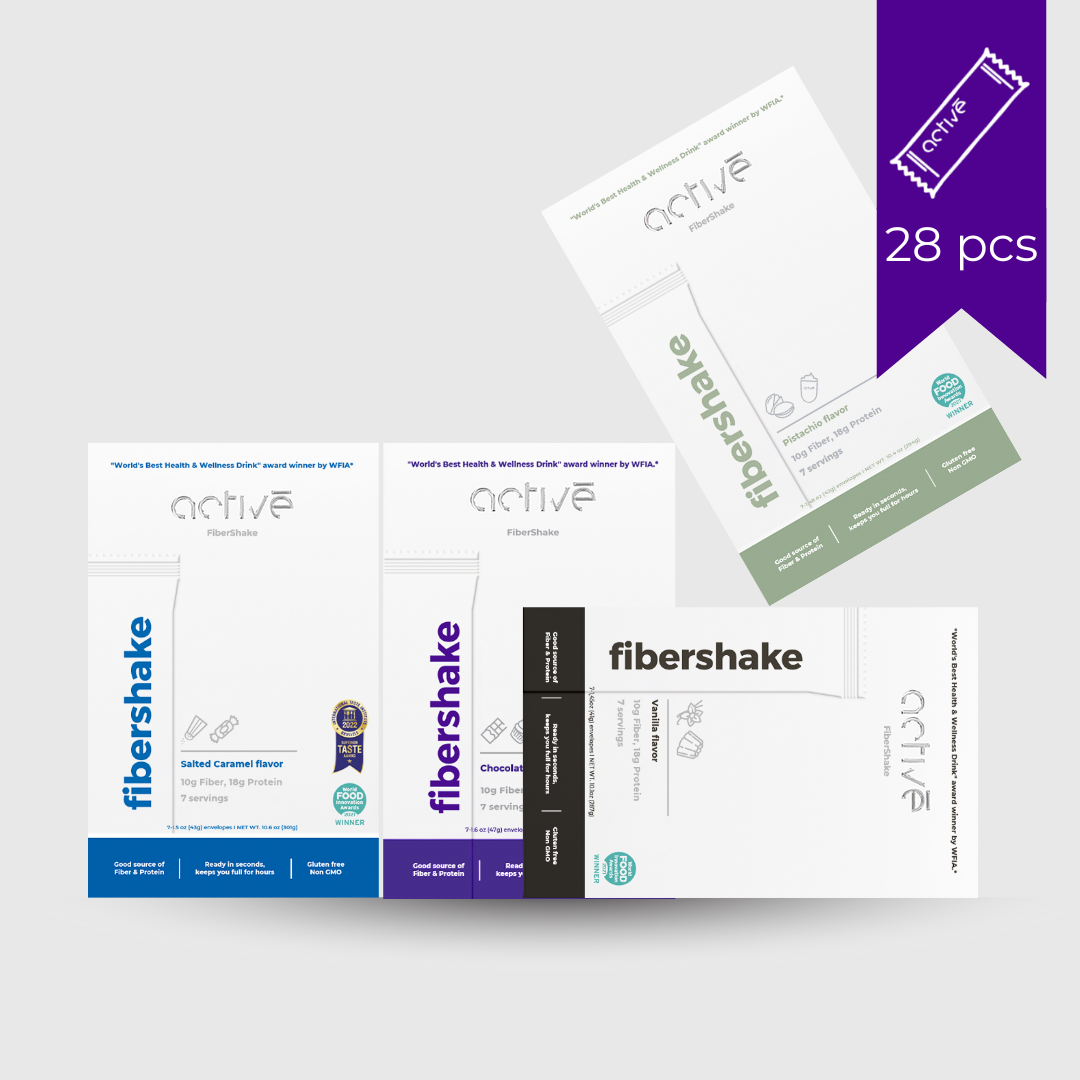

activé FiberShake 28-serving package (4 Boxes) I Halloween Sale: Up to 30% Off!
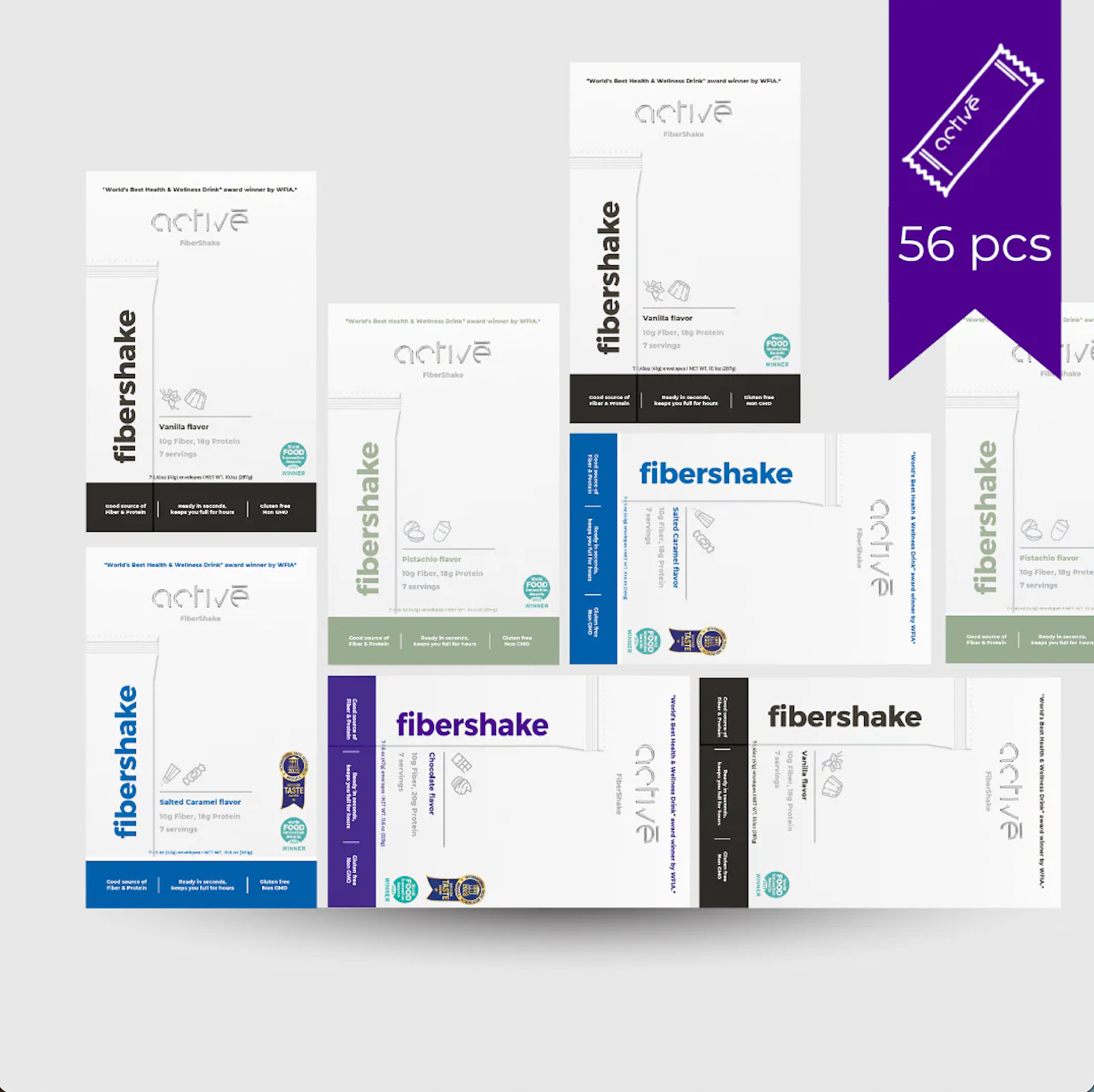
activé FiberShake Family or Bulk Bundle 6 Boxes + 2 Boxes = FREE (56 Servings)
Testimonials
What are customers saying about acitvé FiberShake?
Sarah Anderson
Delicious, healthy, and really keeps you full for hours! Even when I don't have time to eat, or just crave a light dinner/breakfast, it comes in handy!
Hannah Larson
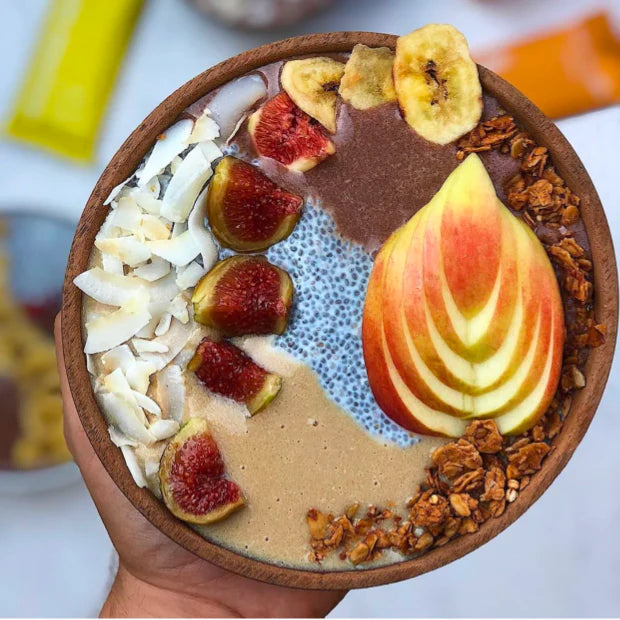
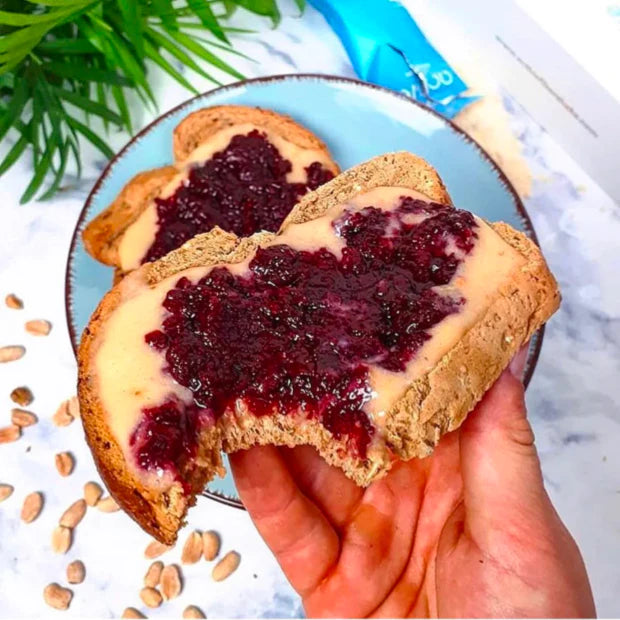
Truly filling and delicious too! I don't have to worry about what to eat during the day. It's very easy to prepare in any way, and it tastes great with anything (fruit, muesli, chia seeds, etc.).

David Martinez
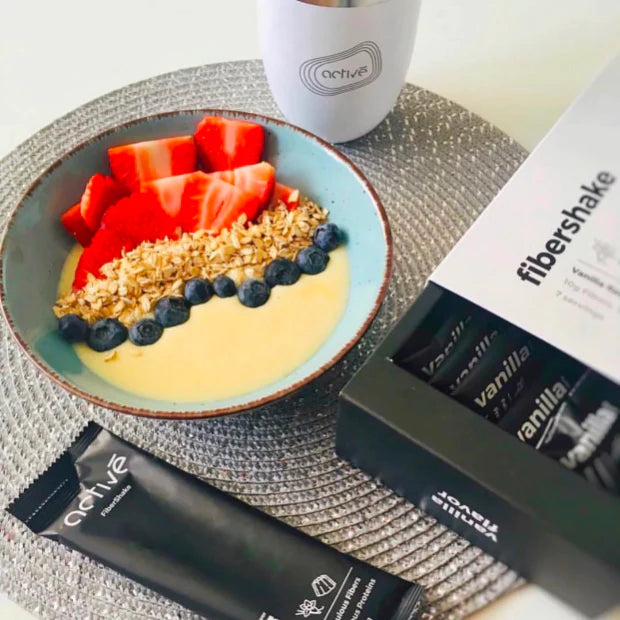
My post-meal bloating is gone, it's super quick to prepare, and it tastes great in almost every flavor! It's filling, I can easily replace a meal with it. And the shaker is perfect!
Michael William
A quick and nourishing breakfast for everyday life. Besides, it's healthy and helps with digestion. Highly recommended!!

Gluten-Free
Enjoy FiberShake with confidence. Each serving is made without gluten to suit your dietary needs.

Soy-Free
Free from soy ingredients, FiberShake provides clean and simple nutrition for a balanced lifestyle.

Net Carbohydrates
FiberShake contains carefully measured net carbs to provide energy without unnecessary spikes.

Nutrition Per Serving
Each serving is packed with balanced nutrients to support your health and wellness goals.
Blog posts

Yoga for Constipation
Poses for when you get backed up Yoga instructor - Kristin M. I recently had someone reach out to me and ask me to share some postures that can help with constipation. Her husband is going through cancer treatments and is having a hard time going to the restroom. Whenever I travel, my digestion gets messed up. I went on a retreat with one of my favorite instructors, Nevine, to Belize years ago; and I got a little backed up. While there, Nevine showed me a cool trick with a yoga blanket to help get things moving. Travel, change in diet, certain drugs and medications, and lack of movement can all lead to constipation. In addition to the blanket exercise, yoga is one of the best types of movement you can do to help get some relief when you’re not regular. Here are some of my favorite yoga postures for constipation relief, followed by a yoga flow you can do. Child pose helps with relaxation and stress relief. Start here with five to eight deep breaths. Stress can cause constipation. Move into cat/cow and knee to nose. Cat and cow will strengthen and stretch the abdominal muscles and knee to nose is great to the core and it applies a little pressure on the lower abdomen. Any posture that strengthens the core can help with constipation. Take 3 cycles of cat/cow and do 3 reps of knee to nose on each side. Crescent lunge and lizard are great hip openers that can help stretch the thighs. Poses that use strong leg muscles are great for getting things moving as well. Stay for 5-8 breaths in each pose. Downward Dog is a gentle inversion and can help with circulation which is important for increasing blood flow throughout the body, including the digestive system, which helps move food through the intestines. Hold downward dog for 8-10 breaths. Twists aid in digestion by gently putting pressure on the internal organs. You can do a seated spinal twist or a supine twist on each side to get things moving. Stay for 5-8 breaths on each side. Finally, end with a yogi squat and then hero’s pose. The squat gets things moving downward and hero’s pose is a great place to take deep full breaths and stretch the front of the thighs. If you have the range of motion, you can recline in hero’s pose and stretch the psoas muscles (when tight) they can mess with your digestion. You can stay for 5-8 breaths in each pose. This time of year we eat foods we may not eat as often, or maybe eat more in general, as well as travel. A few other things to keep in mind While these yoga poses may help relieve constipation, it's also important to look at your everyday habits. Make sure you're staying well hydrated, managing stress, and getting regular movement through walking or exercise. These simple habits can all support healthy digestion. These poses may help relieve constipation, but they don't necessarily address what's causing it. Constipation can be a sign that your digestive routine needs a little more attention. One common factor is simply not getting enough fiber throughout the day.
Learn more
Yoga for Constipation
Poses for when you get backed up Yoga instructor - Kristin M. Constipation can be caused by travel, diet changes, medication, or inactivity. I've experienced it myself and discovered gentle yoga poses that may help provide relief. Let's start with child's pose to relax and ease stress, which can contribute to constipation. Hold for 5–8 deep breaths. Move into cat/cow and knee to nose. These poses gently stretch and engage your core while applying light pressure to the lower abdomen. Do 3 cycles of cat/cow, followed by 3 knee-to-nose reps on each side. Twists aid in digestion by gently putting pressure on the internal organs. You can do a seated spinal twist or a supine twist on each side to get things moving. Stay for 5-8 breaths on each side. Finish with a yogi squat and hero’s pose. The squat may support bowel movement, while hero’s pose encourages deep breathing and stretches the thighs. If comfortable, recline to deepen the stretch. Hold each pose for 5–8 breaths. These postures can be helpful to keep things flowing. When you are more regular you feel so much better. FEELING BETTER? BUT WHAT IF CONSTIPATION KEEPS COMING BACK? These yoga poses may help provide relief, but they don't necessarily address the cause. Low fiber intake, dehydration, and everyday habits could all play a rol. Curious what's causing yours? Take our free 2-minute quiz to explore possible causes and what you can do about them. ✅
Learn more
Weight Gain and Weight Loss: Does Your Body Weight Depend on Your Gut Microbiome?
5-minute read · Erzsébet Soltész, dietitian Gut microbiome: a mysterious diversity The human microbiome is one of the most popular research topics today, and tests to explore your individual gut microbiome are becoming available in more and more places. However, these tests are still essentially snapshots that can only show the most significant deviations in your current microbiome composition compared to what is considered optimal. The number of microorganisms inhabiting our bodies and digestive systems is almost incomprehensible, somewhere in the order of 30,000,000,000,000 to 40,000,000,000,000. Several hundred types of bacteria live as permanent co-inhabitants in each of our digestive systems, and yet we still know relatively little about the complex processes and self-regulating mechanisms of this diverse inner world. This is what makes research into the relationship between microbiome characteristics and various health conditions so exciting. Perhaps the most fascinating area is the connection to a tendency toward obesity and unintentional weight gain. What is the vicious cycle at play? A global obesity epidemic: it's not just about calories In films, the pandemic that escapes from a secret lab is always stopped at the last moment. In reality, however, humanity is losing the battle against obesity. There are already more than one billion people affected worldwide, and estimates suggest that by 2035, half the world's population will be overweight. Fat deposits around the waist and a protruding belly are typical signs of visceral fat accumulating in the abdominal cavity, which is associated with an increased risk of metabolic syndrome, including type 2 diabetes, lipid metabolism disorders, non-alcoholic fatty liver disease, and cardiovascular conditions. Alongside excessive calorie intake and insufficient physical activity, a fiber-poor diet associated with modern lifestyles is one of the main culprits in the obesity epidemic. Inadequate intake of the fibers that nourish the gut microbiome disrupts the balance of the digestive and metabolic systems, which can result in impaired sugar and fat metabolism. Disruption of insulin regulation can sustain the vicious cycle of weight gain even without a caloric surplus. An important finding in recent years is that a tendency toward obesity and unsuccessful weight loss show a direct correlation with the composition of the gut microbiome. So which bacterial strains matter most? Typical microbiome composition: cause and consequence Several large-scale studies have observed characteristic differences in the gut microbiome composition of obese individuals. The ratio of the two most dominant bacterial phyla, Firmicutes and Bacteroidetes, was found to be elevated in obese subjects compared to those of normal body weight, meaning a "dominance" of Firmicutes was characteristic. This pattern is linked to diet: a diet high in fat and added sugar and low in fiber produces precisely this shift over the long term. A higher proportion of Firmicutes is associated with more efficient energy extraction from food, which may contribute to a tendency toward obesity. In contrast, the Bacteroidetes phylum, and in particular certain members of the Bacteroides genus, are thought by scientists to have an anti-obesity effect. In mouse studies, Bacteroides therapy successfully reduced body weight and fat tissue in obese mice, a promising result for the development of targeted microbiome therapies against obesity. The effect also worked in reverse: when the microbiome of obese mice was transplanted into normal-weight mice with sterile digestive systems, those mice also became obese, despite no change in their diet. This experiment further confirmed that microbiome composition has a direct effect on metabolism and the tendency to gain weight. But what is the right balance? It's not that simple: the critical balance of the Firmicutes/Bacteroidetes ratio Based on the above, Bacteroidetes bacteria might appear to be the good guys and Firmicutes the villains. According to numerous scientific publications, a shift in the Firmicutes/Bacteroidetes ratio in the gut microbiome is associated not only with obesity but also with disorders of fat and sugar metabolism, and even with a higher risk of breast cancer. An obvious conclusion might be: "Let's get rid of all Firmicutes bacteria, and we can forget about dieting and prevent a whole range of diseases!" As tempting as this thought is, such an extreme approach would do no good. As in every area of life, balance is what matters in the microbiome. It is a complex microbial world in which both bacterial phyla play important roles. They interact with each other through the substances they produce, and within BOTH groups there are bacteria that regulate our energy metabolism through their anti-inflammatory effects and their influence on appetite. The Firmicutes/Bacteroidetes ratio can also be too extreme in the other direction: an EXCESSIVE presence of the otherwise "friendly" Bacteroidetes bacteria may be associated with a higher risk of irritable bowel syndrome and inflammatory bowel disease. What is the takeaway? Instead of extreme diets, aim for variety and moderation in your eating habits. A balanced, nutrient and fiber-rich diet does the most to support your microbiome equilibrium. But how can you avoid being prone to weight gain in the first place? How can you support your microbiome to avoid a tendency toward weight gain? Fortunately, the gut microbiome is remarkably flexible: the composition of your diet can influence its makeup relatively quickly and significantly. To support beneficial, probiotic bacterial strains, it is worth regularly consuming fermented vegetables and live-culture dairy products. The macronutrient composition of your diet also matters: excessive fat and sugar consumption damages the diversity of the microbiome and can promote the growth of certain disease-causing bacteria. The most important task is ensuring adequate intake of the dietary fibers that feed your gut bacteria. The dietary fibers that pass through the digestive system in undigested form are gladly received by the residents of your microbiome. The fibers that serve as nutrients for these bacteria are called prebiotic fibers. The best strategy for supporting the Bacteroidetes bacteria that offer some protection against a tendency to gain weight, and for restoring a healthy balance, is varied fiber consumption. Since your body cannot store fiber, you need to ensure you consume multiple types of fiber in your diet every day. Wonderful examples of prebiotic fibers include: Inulin, found in onions, Jerusalem artichokes, and artichokes Pectin, found in apples, pears, and berries Beta-glucan, found in oats and barley Resistant starch, found in unripe or green bananas How to take care of your microbiome: The composition of your gut microbiome is critically important alongside diet and exercise for reaching and maintaining a healthy body weight. To support a diverse gut microbiome, aim for the recommended daily intake of 30 grams of fiber. Take care of your prebiotic fiber intake every day by eating a wide variety of vegetables, fruits, wholegrains, seeds, and nuts. Make sure you consume multiple types of fiber each day and combine different fibers to make the most of their benefits. If you are short on time and use a fiber supplement, check that it contains prebiotic fiber. Alongside your fiber-conscious diet, drink plenty of plain water. Sources used: Soltész E., Gajda Z. Fiber is good! Budapest: BOOOK Publisher; 2020 An, J., Kwon, H., & Kim, Y. J. (2023). The Firmicutes/Bacteroidetes Ratio as a Risk Factor of Breast Cancer. Journal of clinical medicine, 12(6), 2216. Barna, I., Nyúl, D., Szentes, T., and Schwab, R. (2018). A review of the relationship between the gut microbiome, metabolic diseases, and hypertension. Orvosi Hetilap OH 159, 9, 346-351. NCD Risk Factor Collaboration (NCD-RisC). Worldwide trends in underweight and obesity from 1990 to 2022: a pooled analysis of 3663 population-representative studies with 222 million children, adolescents, and adults. Lancet. 2024;403(10431):1027-1050. Ryu SW, Moon JC, Oh BS, et al. Anti-obesity activity of human gut microbiota Bacteroides stercoris KGMB02265. Arch Microbiol. 2023;206(1):19. Turnbaugh PJ, Ridaura VK, Faith JJ, Rey FE, Knight R, Gordon JI. The effect of diet on the human gut microbiome: a metagenomic analysis in humanized gnotobiotic mice. Sci Transl Med. 2009;1(6):6ra14.
Learn more