
Blog


Fiber in the Kitchen: How to Cook and Bake with Fiber in Mind
5-minute read · Erzsébet Soltész, dietitian What kind of diet should you follow for adequate fiber intake? A microbiome-supporting, fiber-rich diet is the best strategy for maintaining good health. The good news is that it doesn't require anything special at the supermarket or in the kitchen. You don't need to follow a specific diet or avoid particular foods. The key is making sure that alongside the essential nutrients your body needs, the fibers that matter for your microbiome and digestive system are also present in your diet every day, in adequate amounts and from a variety of sources. To achieve this: Choose plant-based ingredients and foods that, in addition to their nutritional value, also provide a combination of prebiotic fibers to support your beneficial gut bacteria. Take care of your protein intake: alongside plant-based protein sources, you can eat meat, fish, eggs, and unsweetened dairy products according to your own preferences, in moderation. Be mindful with fats. In addition to the natural fat content found in nuts, seeds, eggs, dairy, and lean meats, regularly include quality olive oil and nut or seed oils in your diet. Avoid deep frying and ultra-processed foods that are loaded with sugar, salt, fat, and additives. Drink water when you're thirsty, and plenty of it alongside a fiber-rich diet. As straightforward as this list sounds, it can be equally frustrating to figure out how to actually put it into practice on busy weekdays. Why is it so hard to get started? The internet is full of an overwhelming number of great recipes featuring fiber-rich plant ingredients. The sheer abundance may actually be part of the problem: most people never end up making the recipes they save. The reasons can include deeply ingrained shopping habits, a lack of motivation, following family food traditions, or reluctance to try unfamiliar ingredients. Breaking a pattern of low-fiber eating that has built up over decades is not easy. Fortunately, it's not something that has to happen all at once, and even small steps in self-care can take you a long way. Natural fiber sources that can be eaten raw, such as vegetables, fruits, seeds, and nuts, are generally easier to incorporate. Cooking and baking tend to be the bigger challenge. Beyond the fiber-rich, exciting dishes of Mediterranean, Middle Eastern, and Far Eastern cuisine, the fiber content of popular Hungarian dishes can also be boosted, so family members who are resistant to new foods can keep enjoying their favorite meals in a healthier version. Of course, for those whose diet has until now consisted mainly of ultra-processed foods and fast food, introducing vegetables, legumes, and wholegrains represents a significant change. A colorful combination of fibers: cooked, baked, and raw When you steam, boil, sauté, or bake plant-based ingredients, their fiber content stays in the finished dish, although the size and properties of the fibers are altered by the cooking process. This is actually one of the purposes of heat treatment: to make the nutrients locked within the fiber matrix accessible and more digestible. Without cooking, most fiber-rich ingredients simply couldn't be eaten, meaning you'd miss out on their valuable nutritional content. Vegetable soups, vegetable-based one-pot dishes, wholegrain side dishes, and dried legumes all enrich your diet with a variety of fibers. Of course, it's also worth including raw plant ingredients, fruits, seeds, and nuts in your diet every day. When it comes to baking ingredients, you can take a "fiber-forward" approach as well. Instead of traditional recipes built on white flour, sugar, eggs, and margarine, try using higher-fiber flours, ground seeds, beans, chickpeas, oily seeds, nuts, poppy seeds, coconut, and cocoa for both sweet and savory baked goods. Fiber-conscious cooking can start with upgrading your existing favorite dishes. Here are some concrete ideas to get you started. Practical tips for increasing fiber content Serve cream soups with dry-toasted seeds or cooked pearl barley instead of soup pearls or croutons. In meat-based dishes, you can mix in an equal amount of red beans, white beans, or chickpeas alongside the meat. In a pinch, unseasoned canned versions work perfectly well. Legumes are also available in flour and pasta form: chickpea flour can be used to thicken soups and stews in a Greek yogurt roux, and red lentil pasta is a great alternative to traditional white pasta — and it's delicious. Leftover wholegrain bread can be dried out thoroughly, crushed, and used as breadcrumbs for coating. In that case, bake the meat or vegetables in the oven rather than frying them in oil. Oat bran can be added to cottage cheese dumplings, layered dishes, or meatballs — almost any version can handle a tablespoon or two. In recipes for meatballs or meat loaf, the white bread or bread roll can be replaced with wholegrain bread or a combination of rolled oats and oat bran. Oat flour or rolled oat flour can replace wheat flour in mildly sweet dishes such as sauces, vegetable stews, pancakes, and chocolate cookies — it can be swapped in a 1:1 ratio for white flour. In layered vegetable bakes, white rice can be replaced with brown rice, bulgur, or pearl barley. For a healthier twist, use ground turkey and live-culture Greek yogurt instead of fatty sour cream. Bulgur is a fiber-rich side dish, especially when combined with vegetables. This cracked durum wheat is a friendly ingredient that softens quickly — after bringing it to a boil, cover it and let it rest, or keep it on the lowest heat until it has absorbed twice its volume in water. Ground almonds and oily seed flours are expensive, but they make a significant difference to the fiber content of sweet baked goods and savory pastries, and everything tastes better with them. An oat flour and rolled oat cookie with ground walnuts and dark chocolate, lightly sweetened, is a real fiber bomb. If any are left over, you can keep them at the office or in the car for busy days. A walnut or almond or two can always be placed on top of oat cookies or muffins, and most mixed batter recipes can be enriched with a spoonful or two of roughly chopped almonds, walnuts, or even desiccated coconut. Sprinkle sesame seeds, flaxseeds, sunflower seeds, or pumpkin seeds on top of bread rolls and savory sticks: they add valuable nutrients and fiber even to traditional white flour recipes. Increase your fiber intake gradually Fiber is beneficial, but don't overdo it. If you're starting from a low fiber intake, switching to several high-fiber meals a day all at once is too big a change for your digestive system and may also catch your microbiome off guard. By increasing fiber intake gradually, the initial bloating and gas that some people experience can usually be avoided. Alongside fiber-rich cooked dishes, let raw or minimally processed vegetables and fruits, wholegrain breads and baked goods, and nuts and oily seeds all contribute to your daily fiber intake. You can also supplement this with additive-free, natural fiber extracts. And don't forget to drink enough water: aim for 50 ml of fluid per gram of fiber, which means a daily intake of 2 liters will reliably cover your needs. Sources used: Soltész E., Gajda Z. Fiber is good! Budapest: BOOOK Publisher; 2020
Learn more
Why We Think We're Eating Enough Fiber — and Why That May Not Be the Case
3-minute read · Maria Balogh If you asked most people, they'd answer confidently: "I pay attention to what I eat." "I eat vegetables and fruit." "I think my fiber intake is fine." And yet: both research and real-world experience tell a different story. How much fiber should we be eating, and how much are we actually eating? The widely accepted recommendation is that adults should consume a minimum of 25 grams of dietary fiber per day, with 30 grams being the ideal. In reality, data and domestic experience suggest that average intake sits closer to 15–20 grams per day. This isn't a dramatic shortfall that appears overnight. It's a slow, barely noticeable gap that builds up over years and makes its effects felt gradually. So why do we think our fiber intake is fine? 1. Because we associate fiber with too narrow a range of foods Most people automatically link fiber with: Vegetables Fruit Wholegrain bread These are indeed important sources of fiber. The problem is that fiber isn't limited to these foods alone. Research shows that: the vast majority of consumers recognize vegetables and fruit as fiber sources, there is far more uncertainty when it comes to wholegrain cereals, knowledge gaps are significant for legumes and seeds, and most people have never even heard of functional fibers such as inulin, psyllium, or resistant starch. In other words, our diets are often built on a narrower variety of fiber sources than we might think. 2. Because we only associate fiber with digestion For many people, the word "fiber" brings just one thing to mind: digestion. But the role of dietary fiber is far more complex than that. Adequate fiber intake: supports the balance of the gut microbiome, contributes to the feeling of fullness, can help with weight management, has a beneficial effect on blood sugar levels, plays a long-term role in cardiovascular health, and is linked to overall metabolic health. Different types of fiber contribute to different health benefits. This is why it matters not only how much fiber we eat, but also what types we consume and how varied our sources are. In short: it's worth broadening the range of foods from which we get our dietary fiber. Why does varied fiber consumption matter? Not all fiber is the same. Different plant sources nourish the gut in different ways: vegetables and fruit provide different types of fiber, wholegrains offer a different structure again, legumes and seeds are particularly valuable sources, and functional fibers can complement the diet in a targeted way. The more varied our fiber sources, the more balanced the overall effect is likely to be. How can you find out where you stand? Most people don't consume too little fiber because they don't care about their health. They simply don't have a full picture of the situation. The activé FiberShake Fiber Calculator can help with that.>> Click here After completing the calculator, you'll get a clearer sense of which fiber sources dominate your diet and which types you might benefit from eating more of. Your responses also contribute to building a broader picture of which fiber sources are well known in Hungary and which ones are rarely used in everyday eating. A small step toward more mindful fiber consumption Fiber is not a trend, not a quick fix, and not just a "digestive issue." Fiber is a fundamental part of a healthy diet. You don't need to change everything overnight. The first step is simply knowing where you stand right now. After that, the choice is yours. References: Consumers' knowledge about dietary fiber – full PDF (Szűcs V., 2016)Awareness and Knowledge Regarding the Consumption of Dietary Fiber (MDPI, 2020)Perception of dietary fiber and consumption behaviorsKnowledge and attitudes regarding dietary fibers
Learn more
The secret to detoxification lies within you and in Fiber
4-minute read · Erzsébet Soltész, dietitian What comes to mind when you hear the word "detox"? "Detox tea," "detox cure," "detox diet," "liver detox drops" — these all promise to cleanse you of accumulated toxins. The good news is that you don't need them: your body already has a perfectly tuned detoxification system. Several of your organs work tirelessly to eliminate all unnecessary and dangerous substances. Your disposal team also includes a member who has only recently come into the spotlight. It was just a decade or two ago that the key role of the microbiome in the body's detoxification processes was discovered. What keeps your built-in detox arsenal working well? Not random "miracle products"... You can support the health of your digestive system and the detoxification work of your gut microbiome by consuming at least 30 grams of fiber daily from a combination of different fiber types. Here's how to make the most of their mutually reinforcing effects: Some types of fiber, such as psyllium, work physically, helping to sweep harmful substances out of the body. Prebiotic fibers, such as inulin, act as food for beneficial bacteria, supporting the growth of helpful microbes and enabling them to carry out their detoxification work effectively. Probiotic foods containing live bacterial cultures are a welcome addition, as they create a favorable environment in your digestive system. Your detox team Get to know your body's detoxification system and the microbiome friends within it: Your liver is your central detoxification organ, a biochemical powerhouse that converts harmful substances, both ingested and internally produced, into forms your kidneys and digestive system can safely eliminate. It also breaks down alcohol and drug residues. Your kidneys function like intelligent water filters, continuously drawing water-soluble waste and toxic compounds out of your bloodstream and excreting them in urine. Your lungs serve as an exhaust system, expelling unnecessary gases and volatile compounds with every breath. Your skin releases mineral salts and toxins through sweat. Your colon is the primary detoxifier in your digestive tract, flushing out not only undigested food residue but also toxins produced within the body. Your microbiome acts as an additional line of defense, accelerating the removal of toxic compounds, supporting immune function, and even reinforcing the liver's detoxification work. Three protective shields: the main lines of defense in detoxification Three lines of defense protect you from harmful environmental influences every day. Your microbiome is the first line of defense, your intestinal wall is the second, and your liver is the third. They rely on one another to keep you safe. The microscopic community in your digestive tract comes into direct contact with pathogens from the outside world, undigested food debris, and environmental contaminants. Your tiny residents neutralize a range of toxic substances using their own chemical arsenal, and displace and destroy disease-causing microbes. Your microbiome is in constant communication with the nerve network and immune cells woven through your intestinal wall, and together they regulate what passes through. The intestinal wall acts as a dynamic barrier, ensuring that only what is necessary for your body's healthy functioning enters your bloodstream, while harmful substances are kept out. The intestinal wall cells that form the foundation of this defense system are coated with an additional layer of mucus, which is maintained by the friendly bacteria of your microbiome. When this barrier is intact, harmful compounds, bacterial debris, and inflammatory substances cannot enter your circulation. Should anything inappropriate get through, your liver filters it out. Your central detoxification organ interacts with your microbiome via the gut-liver axis. The liver uses specialized immune cells to remove toxic metabolites produced by the microbiome and also influences the composition of the microbiome itself. Everyday microbiome support with fiber Your built-in defense system works day and night without pause. You don't need capsules, teas, or elaborate cures. What you can genuinely do to support your detoxification organs and your microbiome is to practice self-care and take responsibility for your own health. Start with small changes and gradually build sustainable new habits: As part of a balanced, varied diet, aim to consume at least 30 grams of fiber per day from a combination of several fiber types. Always drink enough water with fiber-rich meals: allow for approximately 50 ml of liquid per gram of fiber. Exercise regularly. Consistent, moderate physical activity benefits your microbiome and supports healthy immune function. Avoid ultra-processed foods, smoking, and excessive alcohol consumption. When choosing a fiber supplement, opt for a product that combines multiple fiber types and is free from artificial sweeteners and additives. Sources used: Soltész E., Gajda Z. Fiber is good! BOOOK Publisher; 2020 Soltész E. Supporting the microbiome – fiber-conscious nutrition (working title, manuscript). Expected publication: BOOOK Publishing; 2025 Collins SL, Patterson AD. The gut microbiome: an orchestrator of xenobiotic metabolism. Acta Pharm Sin B. 2020;10(1):19-32. Claus SP, Guillou H, Ellero-Simatos S. The gut microbiota: a major player in the toxicity of environmental pollutants? NPJ Biofilms Microbiomes. 2016;2:16003. Das A, Srinivasan M, Ghosh TS, Mande SS. Xenobiotic Metabolism and Gut Microbiomes. PLoS One. 2016;11(10):e0163099. Koppel N, Maini Rekdal V, Balskus EP. Chemical transformation of xenobiotics by the human gut microbiota. Science. 2017;356(6344):eaag2770. Young O. The Vital Role of the Liver in Human Physiology. J Gastrointest Dig Syst 2023;13:782.
Learn more
Are Artificial Sweeteners a Healthy Choice? A Dietitian’s Perspective
The Sweet Debate: Are Artificial Sweeteners Too Good to Be True? In today’s health-conscious world, we are constantly reminded of the dangers of excessive sugar consumption. It’s linked to obesity, diabetes, and other metabolic disorders, making sugar reduction a priority for many. But is cutting sugar entirely the answer? And are artificial sweeteners truly a healthier substitute? The Case Against Sugar While sugar isn’t inherently bad, excessive intake leads to serious health issues. Natural sugars found in fruits, vegetables, and dairy are fine in moderation, especially when combined with fiber, protein, and healthy fats to slow absorption. However, consuming too much sugar can contribute to: Insulin resistance Excess visceral fat A decline in insulin production over time The solution? Instead of eliminating sugar entirely, focus on moderation and choosing natural, unprocessed sources. The Promise of Artificial Sweeteners Artificial sweeteners like aspartame, saccharin, sucralose, and acesulfame-K promise the taste of sweetness without the calories or blood sugar spikes. They’re commonly used by: People with diabetes or insulin resistance Fitness enthusiasts Those looking to reduce sugar intake But while they offer a sugar-free alternative, are they truly beneficial? The Hidden Risks of Artificial Sweeteners Recent research raises concerns about artificial sweeteners and their impact on health: Insulin Sensitivity: Long-term use may reduce the body’s ability to regulate blood sugar effectively. Weight Management Issues: Studies show mixed results, with some indicating no clear advantage over sugar in weight control. Gut Health Disruption: Artificial sweeteners may negatively impact gut bacteria, leading to metabolic and digestive problems. The Gut Microbiome Connection Your gut microbiome—home to trillions of bacteria—plays a crucial role in digestion, immunity, and even mood regulation. An imbalance can contribute to inflammation, autoimmune diseases, and impaired metabolism. Artificial sweeteners may disrupt this balance by: Altering bacterial composition Interfering with microbial communication Reducing glucose tolerance What About Sugar Alcohols? Sugar alcohols like xylitol, erythritol, and sorbitol are often marketed as natural sugar substitutes. While generally safer than artificial sweeteners, they still have drawbacks: Digestive issues: Some can cause bloating or diarrhea. Gut microbiome impact: Certain sugar alcohols may still alter gut bacteria, though erythritol is considered a safer option. Finding a Balanced Sweetener Strategy Instead of relying on artificial sweeteners, consider these healthier alternatives: ✅ Use in moderation: Rotate sweeteners to minimize long-term effects. ✅ Choose natural options: Fruits, honey, and unsweetened dairy provide a better alternative. ✅ Support gut health: Prioritize prebiotic fiber and balanced nutrition. The activé FiberShake Difference At activé FiberShake, we prioritize gut-friendly ingredients. That’s why our shakes are naturally sweetened with erythritol and stevia—offering a delicious taste without artificial additives or digestive discomfort. ` Expert Insight: Soltész Erzsébet This article is inspired by dietitian Soltész Erzsébet, an expert in metabolism and gut health. With years of experience helping people manage carbohydrate metabolism disorders like diabetes and insulin resistance, Erzsébet provides science-backed advice for healthier choices. Take Charge of Your Health Looking for a sweet yet healthy option? Activé FiberShake is fiber-packed, naturally sweetened, and designed to support your gut and overall wellness. 🔥 Labor Day Sale: Save up to 30% OFF for a limited time! Don’t miss your chance to stock up and feel your best all season long. 👉 Click here to enjoy up to 30% OFF in our Labor Day Sale!
Learn more
Your Microbiome & Wellbeing – Why Gut Health is the Cornerstone of Your Overall Health
6-minute read | | By Elizabeth Soltész, Registered Dietitian You’ve probably heard a lot lately about gut health, microbiome balance, and the gut-brain connection. Maybe terms like “microbiota” or “gut microbiome” have popped up in your feed. But what do these actually mean? And why are they so critical to your health and wellbeing? Let’s Clear Up the Terminology You are never truly alone in your body. Your skin, digestive system, and even lungs are home to trillions of tiny microorganisms. This inner ecosystem influences nearly every function in your body. In fact, the number of microbial cells in your body is roughly equal to your human cells, and your microbiome is as unique as your fingerprint! The term “gut flora” is often used to describe the vast community of microorganisms living in your colon. But this isn’t entirely accurate. “Flora” implies plant life, while your gut is actually home to mostly bacteria, as well as smaller numbers of fungi, viruses, and other microscopic creatures like protozoa and archaea. The term microbiota refers to all of these microscopic cohabitants. Their combined genetic material is immense—potentially 100 times more than your own DNA. Microbiome refers not only to the microorganisms themselves but also to their genetic material—essentially, both the residents and their “biological profiles.” Today, “microbiome” is the go-to word for this inner world. When we talk specifically about the gut microbiome, we’re focusing on the microbial life in the lower part of your digestive tract. The gut-brain axis describes the complex two-way communication between your gut microbiome and your nervous system. But don’t picture it as a literal cord or tube—it’s more about how substances produced by your gut microbes can influence brain function, hormones, and metabolism, and vice versa. The Microbiome and Your Immune System: A Vital Connection Did you know that about 70-80% of your immune cells are located in your gut? The microbiome plays a crucial role in training and shaping your immune system. At birth, you receive your first set of microbes from your mother, and breastfeeding helps supply special immune-supporting compounds and fibers that nourish your developing microbiome. Over the first few years, environmental exposure helps build a mature, diverse microbiome. A healthy, well-balanced microbiome works with your immune system, ensuring it recognizes friendly gut bacteria and their beneficial byproducts as allies—not threats—while still being able to fight off real pathogens effectively. Yes, your gut microbiome does include some “bad guys,” but wiping them out isn’t the goal. Your microbiome can maintain its own balance when properly supported. When Balance Breaks: Leaky Gut Syndrome When the alliance between your microbiome and immune system breaks down—due to chronic stress, lack of exercise, low-fiber diets, or excessive antibiotic use—your gut microbiome can become imbalanced, a state known as dysbiosis. In this state, your gut lining can become compromised, leading to leaky gut syndrome. Harmful substances can pass through the weakened gut barrier, triggering immune overreactions. This imbalance may contribute to food allergies, autoimmune conditions, and inflammatory diseases like type 1 diabetes, endometriosis, or Crohn’s disease. The good news? You can support your gut health and help restore balance. A diet rich in prebiotic fibers—which nourish your beneficial gut bacteria—is key to maintaining this balance. The Secret to Sustainable Weight Loss: Support Your Microbiome Gut health isn’t just about disease prevention—it can also help with sustainable weight loss. A healthy, diverse microbiome influences how your body processes energy, your tendency to gain weight, and your appetite-regulating hormones. Research shows that higher levels of Bacteroidetes bacteria are linked with lower weight gain—even without calorie excess. Luckily, a fiber-rich, plant-based diet supports these “anti-weight-gain” microbes. One particular bacterium, Akkermansia muciniphila, has caught the attention of researchers for its role in weight management. People with more of this bacterium tend to gain less weight. But before you rush to buy probiotic supplements, remember: true gut health comes from consistent self-care—diverse fibers, regular physical activity, quality sleep, and stress management. There’s no quick hack that can replace these essentials. How Your Microbiome Shapes Your Mood Through the gut-brain axis, your gut health even influences your mood and mental wellbeing. Gut bacteria ferment prebiotic fibers into energy, producing short-chain fatty acids (SCFAs) in the process. These SCFAs help maintain gut lining health, regulate metabolism, and yes—even affect your mood. People suffering from anxiety or depression often have disrupted microbiomes—more pro-inflammatory bacteria and fewer SCFA-producing “good guys.” This imbalance may contribute to mental health disorders. It makes sense: your gut microbiome can directly affect your behavior and emotions, even producing many of the same neurotransmitters as your brain—like serotonin, often called the “happiness hormone.” Studies suggest that specific probiotics and prebiotics can help improve mood, reduce anxiety, and lower depression risk. While more research is needed, supporting your gut health may offer a safe, natural approach to mental wellness. Whatever You Call It, Keep Your Gut Friends Happy! Whether you think of it as gut flora, microbiota, or microbiome, one thing is clear—you’re responsible for keeping your microscopic roommates healthy and thriving. Here’s how: Aim for at least 30 grams of diverse fiber daily to support your microbiome. Include prebiotic fibers regularly (like inulin, pectin, and beta-glucans). Add probiotic foods like yogurt, and fermented veggies or fruits to strengthen your gut's good bacteria. Take care of your gut, and it will take care of you! Ready to Support Your Gut Health? Boost your microbiome with activé FiberShake — packed with prebiotic fibers to nourish your gut-friendly bacteria, support sustainable weight loss, and improve overall wellbeing. 🔥 Summer Reset Sale: Save up to 30% OFF for a limited time! Don’t miss the chance to give your gut the support it needs. 👉 Click here to enjoy up to 30% OFF in our Summer Sale!
Learn more
The Secret to Healthy, Sustainable Weight Loss: Why Fiber Matters
Are you tired of crash diets and quick fixes that fail to deliver long-term results? Jeffrey Gordon, an esteemed scientist and potential Nobel Prize candidate, has uncovered groundbreaking insights into weight management, revealing that the key to maintaining a healthy weight lies in something remarkably simple: fiber. Jeffrey Gordon’s Groundbreaking Experiment In a pivotal study involving identical twins, researchers discovered that gut bacteria play a more significant role in weight management than genetics. One twin was overweight while the other was lean. The scientists transplanted microbiota (gut bacteria) samples from each twin into mice with identical, sterilized microbiomes. The results were astounding: Mice receiving microbiota from the overweight twin gained significant fat. Mice receiving microbiota from the lean twin did not gain weight, even on the same diet. This experiment highlights that gut flora has a profound impact on obesity, challenging the notion that heredity alone dictates weight. Why Crash Diets Don’t Work Crash diets often lead to frustration and disappointment. You might follow a restrictive diet, such as a juice cleanse, lose weight, and feel proud of your achievements. However, once the diet ends, the weight often returns—sometimes with extra pounds. This cycle is known as the yo-yo effect. Restrictive diets trigger cravings for the very foods you miss, resulting in overindulgence when the diet concludes. The solution? Embrace a sustainable, fiber-rich diet that supports gut health and keeps you satisfied—no cravings and no deprivation. How Fiber Supports Weight Loss Fiber is a game-changer for healthy weight loss. Here’s why: Feeds Gut Bacteria: Fiber nourishes beneficial gut bacteria, promoting a healthy microbiome while reducing harmful bacteria. Regulates Digestion: Fiber slows carbohydrate absorption, stabilizing blood sugar levels. Promotes Fullness: Fiber expands in your digestive tract, helping you feel full longer and naturally reducing calorie intake. The Science Behind Fiber and Gut Health Your gut houses billions of bacteria, known collectively as the microbiome. This complex community influences everything from digestion to metabolism, making gut balance crucial for effective weight management. When you consume fiber, your gut bacteria produce short-chain fatty acids (SCFAs) that: Reduce fat production and enhance insulin sensitivity. Support immune function and lower inflammation. Slow the absorption of simple carbs, preventing blood sugar spikes. Research from Stanford University and King’s College London confirms the significant impact of gut health on weight management. Easy Ways to Add Fiber to Your Diet Incorporating fiber into your diet is simple. Here are some tips to get started: Include high-fiber foods: Add vegetables, fruits, and whole grains to every meal. Pair fiber with simple carbs: Combine fiber-rich foods with carbs (like bread or pasta) to slow digestion and regulate blood sugar. Aim for 30 grams of fiber daily: This amount helps maintain a healthy gut and supports weight loss. Don’t Forget About Protein While fiber is essential, protein plays a critical role too. It helps maintain muscle mass, supports overall health, and keeps you energized. Recommended protein intake varies by activity level: 0.8 g per kg of body weight for the average person. 1.2–1.7 g per kg for active individuals or athletes. Conclusion Sustainable weight loss is not about starvation or deprivation; it's about nourishing your body with the right nutrients. A fiber-rich diet, adequate protein intake, and enjoyable physical activity are the keys to achieving a healthy, balanced lifestyle. Ready to Make a Change? Boost your fiber intake effortlessly with activé FiberShake—delicious, nutritious, and packed with the gut-friendly fiber you need for a healthy weight. Start your journey toward sustainable weight loss today! 🔥 Autumn Sale: Save up to 30% OFF for a limited time! Don’t miss your chance to stock up and feel your best all season long. 👉 Click here to enjoy up to 30% OFF in our Summer Sale!
Learn more
What makes FiberShake different from other products on the market?
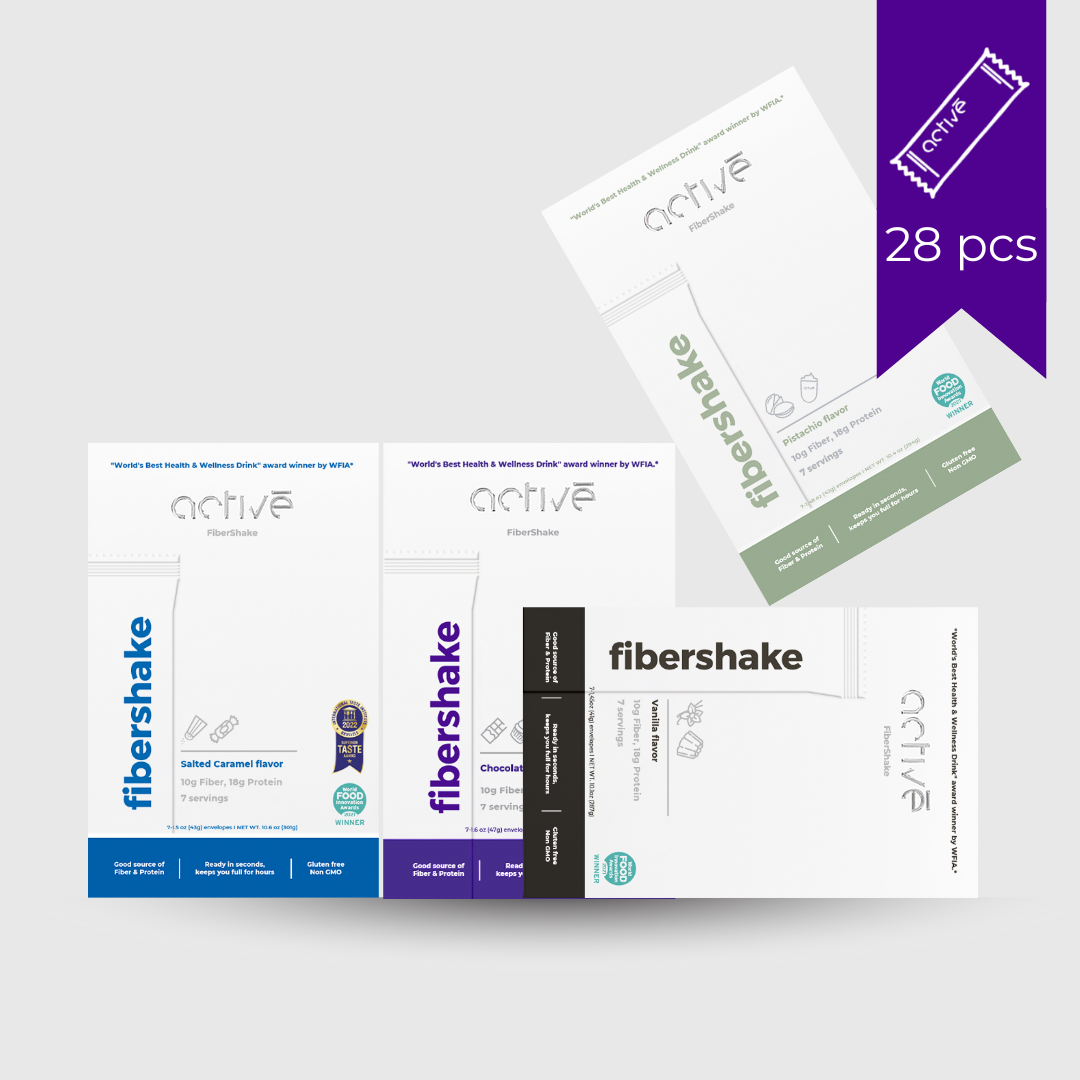
A unique combination of three types of fiber and protein To maintain a healthy gut flora, the recommended daily intake of fiber is 30 grams. However, research shows that people following a typical Western diet only consume about 15 grams of fiber per day. 😱 One serving of FiberShake contains 10 grams of fiber from three carefully selected sources. That means with just one serving, you cover 1/3 of your recommended daily fiber intake, giving your hungry gut microbiome 10 grams of gut-friendly, beneficial fiber. You could also get those 10 grams from eating half a kilo of broccoli, but let’s face it— that’s not so easy to manage during a busy weekday meal, right? 😱 On top of that... Thanks to its whey protein base, FiberShake also provides 18–20 grams of premium- quality protein (depending on the flavor), so it can easily replace a full meal with a delicious, gut-friendly dessert! 😱 Activé FiberShake not only nourishes your gut flora, but thanks to the 18 grams of protein per serving, it also contains essential amino acids. Only natural ingredients 🌱 Unlike most protein powders, FiberShake contains no artificial ingredients whatsoever.No artificial coloring, no artificial sweeteners! For example, the strawberry FiberShake is colored with beetroot powder, and we sweeten it with gut-friendly, low-calorie sweeteners. FiberShake is sweetened exclusively with natural, gut-friendly sweeteners: erythritol, stevia, and just 1g of added sugar. 😱 Why don’t we use artificial sweeteners? 😷 We are committed to making every one of our products gut-friendly, which is why artificial sweeteners are at the top of our banned list. Most artificial sweeteners simply pass through the digestive system without being broken down. However, recent research indicates that they can alter gut microbiota, potentially leading to health problems. One recent U.S. study showed that just 12 weeks of sucralose consumption reduced gut bacteria by 50%. Even after a following 12-week period without any artificial sweeteners, the “good” bacteria levels did not fully return to normal. High-quality ingredients, fantastic taste 🏆 We don’t settle for good—we aim for the best in everything we do.A great example is our Peanut Butter FiberShake, made from real peanut butter powder. Our Chocolate FiberShake is our most popular flavor for a reason: it’s made with premium, patisserie-grade cocoa imported from Belgium. Here’s a behind-the-scenes secret: when we created this flavor, we wanted it to taste like you were eating real peanut butter with a spoon. After the first tasting, we tested products from four more peanut butter powder suppliers until we found the perfect one! 😱 Our Caramel Frappé flavor contains real Arabica coffee, just like the best cafés in the country. The result is a creamy frappé experience with a sweet caramel twist! 😱 Drink it or eat it – Shake🥤 or Pudding 🍮 One major difference between FiberShake and regular protein powders is that you can drink it like a shake or wait a few minutes and it thickens into a pudding, thanks to the fiber content. So in just a few minutes, you can enjoy a delicious, pudding-like dessert—add some toppings and you’re ready to dig in! 😱 📦 Want the full nutritional breakdown? If you’re the kind of person who reads every label (like we do), here’s the full ingredients list straight from the back of the box: 👉 Click here to view the full label Includes nutrition facts, ingredients, and allergen info. or 👉 SHOP FIBERSHAKE NOW
Learn more
The Daily Fiber Fix: Why Your Gut Will Thank You
Small Habits, Big Benefits Adding 30 grams of fiber to your daily diet can lead to noticeable health improvements in just a few days: Relief from constipation Reduced bloating Fewer hunger pangs between meals Progress toward a healthier weight These benefits stem from insoluble fiber, which helps regulate digestion, cleanse your system, and promote healthy bowel movements. Over time, fiber intake can also lower the risk of gastrointestinal cancers. The Super Gel of Soluble Fiber Soluble fiber plays a crucial role in digestion by forming a gel-like substance in your gut. This helps: Slow down sugar and cholesterol absorption Promote satiety, reducing overeating Support heart health and balanced blood sugar levels By incorporating sources of soluble fiber like inulin, psyllium, and beta-glucan, you can stabilize post-meal blood sugar levels, improve cholesterol profiles, and protect your cardiovascular system. Your Secret Gut Community: The Microbiome Your gut microbiome, home to trillions of beneficial bacteria, is vital for: Optimal digestion Reduced inflammation Lower risk of chronic diseases Soluble fibers, like inulin and pectin, feed these good bacteria, encouraging them to produce short-chain fatty acids (SCFAs) such as acetate and butyrate. These compounds help: Strengthen your intestinal lining Improve metabolism Reduce systemic inflammation A healthy microbiome means better digestion, stronger immunity, and even improved mood regulation. The Fiber Rule: 30 Grams a Day, Every Day Your body doesn’t store fiber, meaning a daily intake is essential. Here’s how to reach your 30-gram goal: Diversify Your Diet: Eat vegetables, legumes, fruits, whole grains, nuts, and seeds. Supplement Wisely: Choose high-quality fiber products without artificial sweeteners like aspartame and sucralose, which can disrupt gut balance. Add Probiotics: Pair fiber with probiotic-rich foods like yogurt, sauerkraut, kimchi, or pickles for an extra gut health boost Why Fiber is Worth the Habit Your gut bacteria rely on fiber for fuel. When you nourish them, they reward you with: Improved digestion Stronger immunity Enhanced mood and energy levels Neglect fiber, and you risk imbalances that can lead to long-term health issues. The good news? Your gut is resilient and can quickly recover when given the right nutrients. Start your gut health journey today. Fuel up with 30 grams of fiber daily and feel the difference! Take Charge of Your Health 🌿 Looking for a sweet yet healthy option? Activé FiberShake is packed with fiber, naturally sweetened, and designed to support your gut and overall wellness. 🍂 Autumn Sale: Save up to 30% OFF for a limited time! Don’t miss your chance to stock up and feel your best all season long. 👉 Click here to enjoy up to 30% OFF in our Autumn Sale!
Learn more
Glow from the Inside Out: How Fiber Can Transform Your Skin
Your Skin Reflects Your Inner Health Your skin is more than just a physical barrier; it serves as a window into your internal well-being. Healthy, glowing skin is not only about aesthetics—it significantly impacts your confidence and comfort. While countless skincare products claim to offer solutions, many only address surface-level issues. Recent scientific findings advocate for a revolutionary approach: nourish your skin from the inside out by increasing your fiber intake. Your Skin Isn’t Sterile (And That’s a Good Thing!) Did you know that your skin hosts over 1 trillion microorganisms? This intricate ecosystem, known as the skin microbiome, is essential for maintaining your skin's health and defense mechanisms. A balanced skin microbiome is crucial for preserving your skin's barrier function, ensuring it remains resilient, hydrated, and vibrant. When selecting skincare products, opt for those labeled as microbiome-friendly. Steer clear of harsh ingredients that can strip away your skin's natural protective layer. The Gut-Skin Axis: A Surprising Connection Chronic skin conditions like acne, rosacea, psoriasis, and eczema are often linked to imbalances within the skin’s microbiome. However, the connection runs deeper—these issues may also arise from disruptions in your gut microbiome. Researchers have uncovered the gut-skin axis, a direct communication pathway between your gut and skin. Beneficial compounds produced by gut bacteria, such as short-chain fatty acids (SCFAs), play a pivotal role in your skin’s health, influencing everything from microbiome composition to overall appearance. The takeaway? Your gut and skin are in constant dialogue; nurturing your gut can lead to healthier, more radiant skin. Feed Your Skin by Feeding Your Gut To support a glowing complexion, adopt a gut-friendly diet rich in fiber. Here’s why: Nourishment for Beneficial Bacteria: Fiber fuels the good bacteria in your gut, helping to maintain a balanced microbiome. Metabolism Management: Healthy gut bacteria assist in regulating sugar and fat metabolism. Hormone Balance and Inflammation Reduction: These factors are crucial for achieving clear, radiant skin. Daily Fiber Goal: Aim for 30 grams of diverse dietary fiber from vegetables, fruits, whole grains, nuts, seeds, and legumes. Quick Tips for Fiber-Forward Skin Health Diverse Sources: Incorporate both soluble and insoluble fibers into your diet for comprehensive benefits. Probiotic Partners: Pair fiber with probiotic-rich foods like yogurt, kimchi, or sauerkraut to bolster your gut-skin connection. Supplement Wisely: On busy days, consider a high-quality fiber supplement, like a natural fiber shake, to meet your needs. Avoid Artificial Sweeteners: Steer clear of sweeteners like sucralose and aspartame, which can disrupt gut balance. Stay Hydrated: Drink plenty of water to enhance fiber’s benefits and support skin hydration from within. Bonus Benefits of Fiber-Rich Foods Fiber-rich foods are also packed with skin-friendly nutrients, including vitamins, minerals, and antioxidants. Additionally, certain fibers act as natural detoxifiers, promoting the elimination of toxins that could negatively impact your skin. Takeaway: Beauty Starts from Within Embracing a fiber-rich diet is a win-win for both your gut and skin. Here’s how to get started: Consume 30 grams of fiber daily from a variety of sources. Stay hydrated with clean water to enhance your skin’s natural glow. Choose microbiome-friendly skincare to complement your fiber-rich diet. Spend time outdoors, but don’t forget sunscreen for added protection. By making fiber a cornerstone of your daily routine, you can achieve that coveted glow from the inside out. Your skin (and gut) will thank you! References Soltész, E., & Gajda, Z. A rost jó! BOOOK Kiadó, 2020. Byrd, A., Belkaid, Y., & Segre, J. “The Human Skin Microbiome.” Nature Reviews Microbiology, 16, 143–155 (2018). Ellis, S. R., et al. “The Skin and Gut Microbiome and Its Role in Common Dermatologic Conditions.” Microorganisms, 7, 550 (2019). Salem, I., et al. “The Gut Microbiome as a Major Regulator of the Gut-Skin Axis.” Frontiers in Microbiology, 2018. Szántó, M., et al. “Targeting the Gut-Skin Axis—Probiotics as New Tools for Skin Disorder Management?” Experimental Dermatology, 2019.
Learn more